
Blog
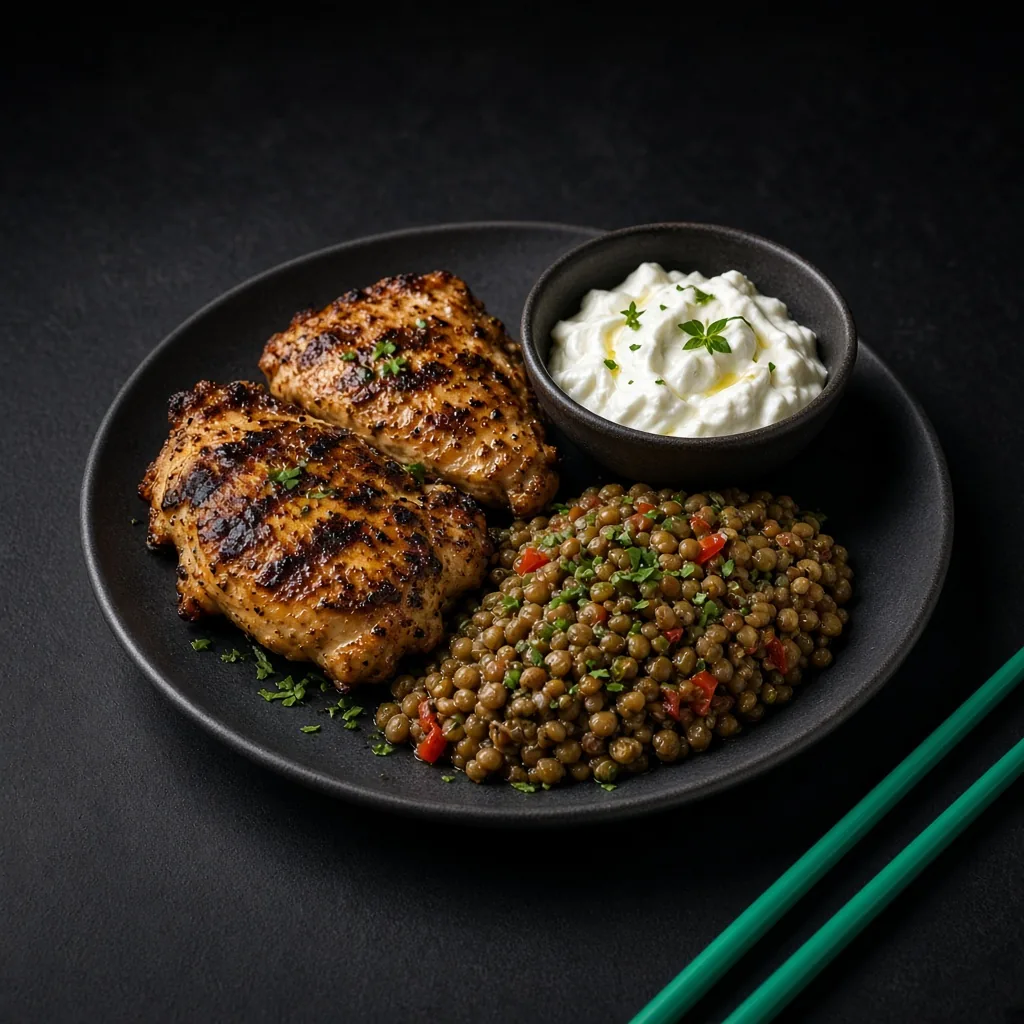
Protein is easier to track when you count it at each meal and then look at the day total, not at one dramatic plate.
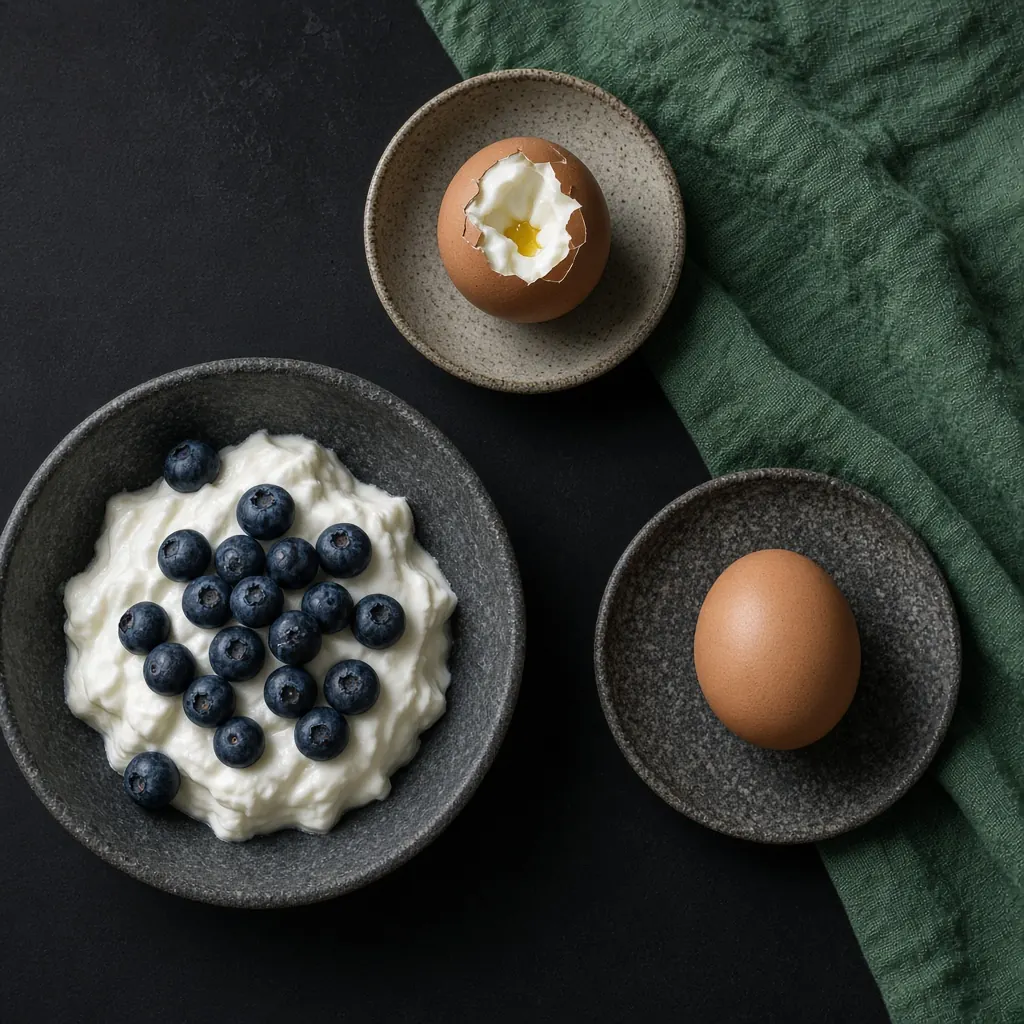
These ten breakfasts use everyday foods, with calories and macros calculated from USDA FoodData Central portion weights.
An AI cooking assistant is a working partner for questions, drafts, and substitutions, not a replacement for your taste or a food-safety check.
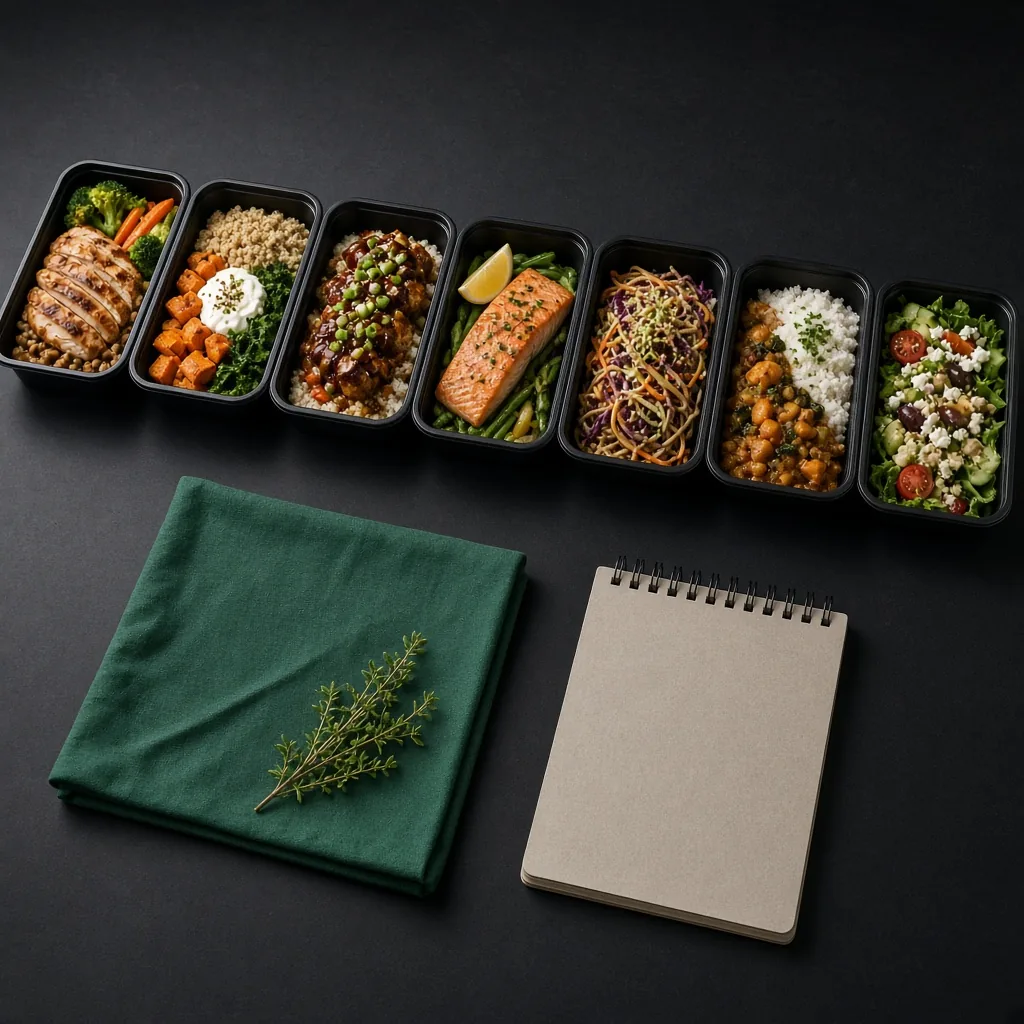
A meal generator is most useful when you give it your real week, then edit the grid before you shop.
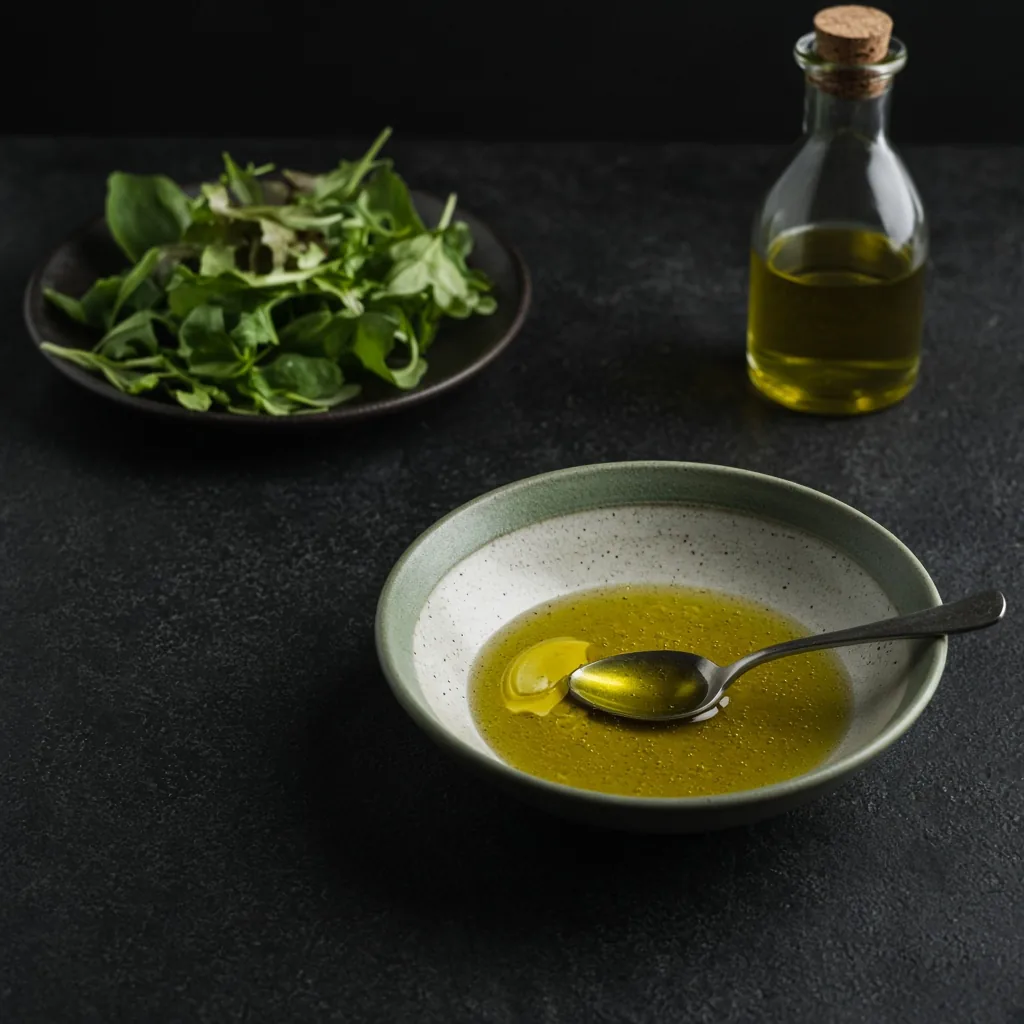
Cooking fats and sauces are easy to miss in a photo and often carry more energy than the vegetables they coat.
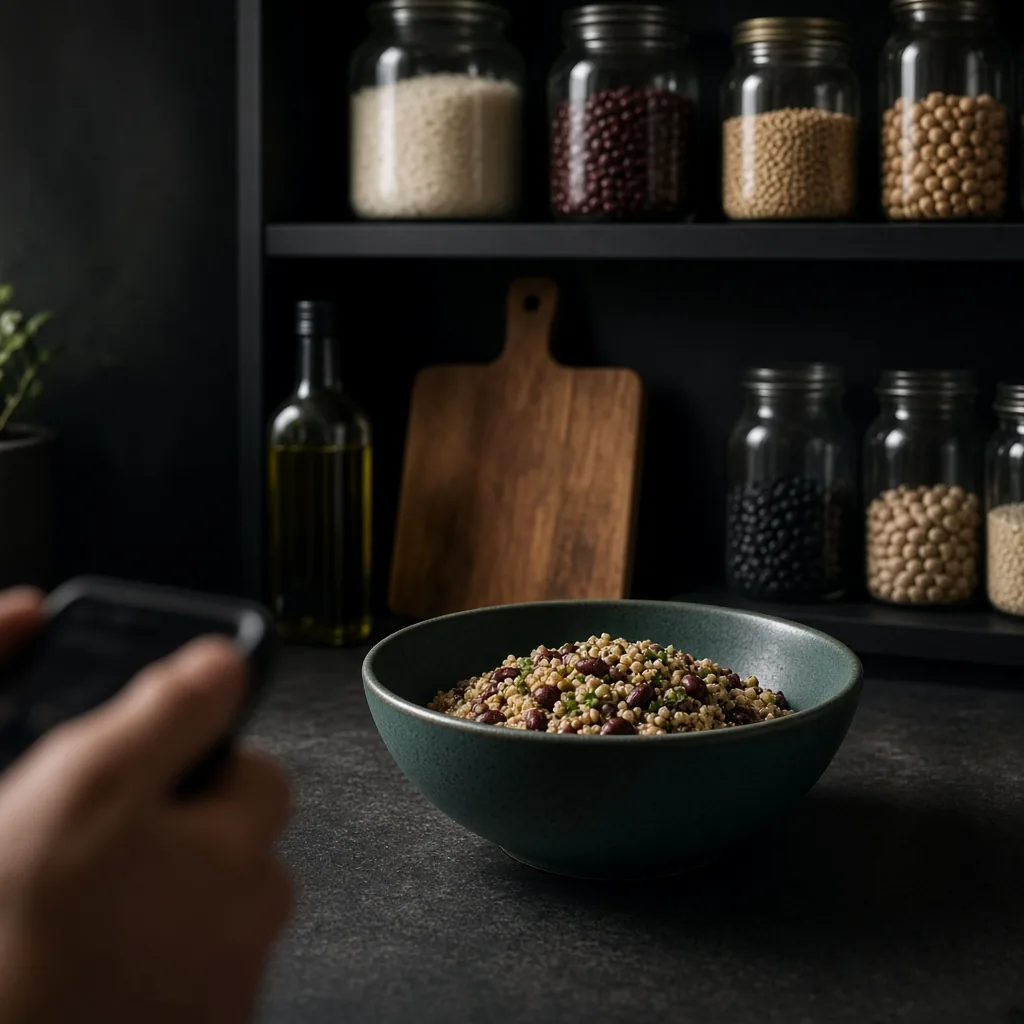
A pantry cook starts with what is already in the kitchen, then turns that short list into a meal you can cook and log.
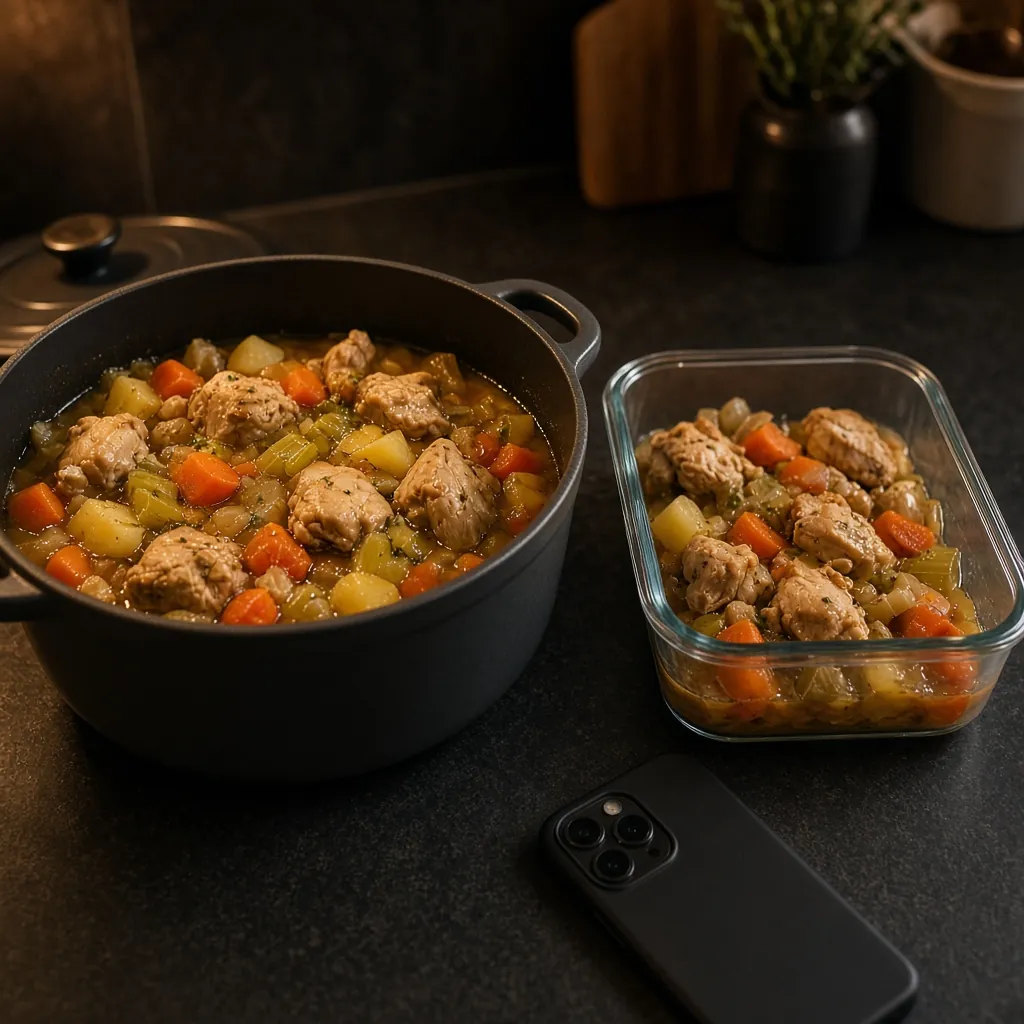
Log a homemade recipe once, divide it by the portions you actually serve, and use that same entry for leftovers the next day.
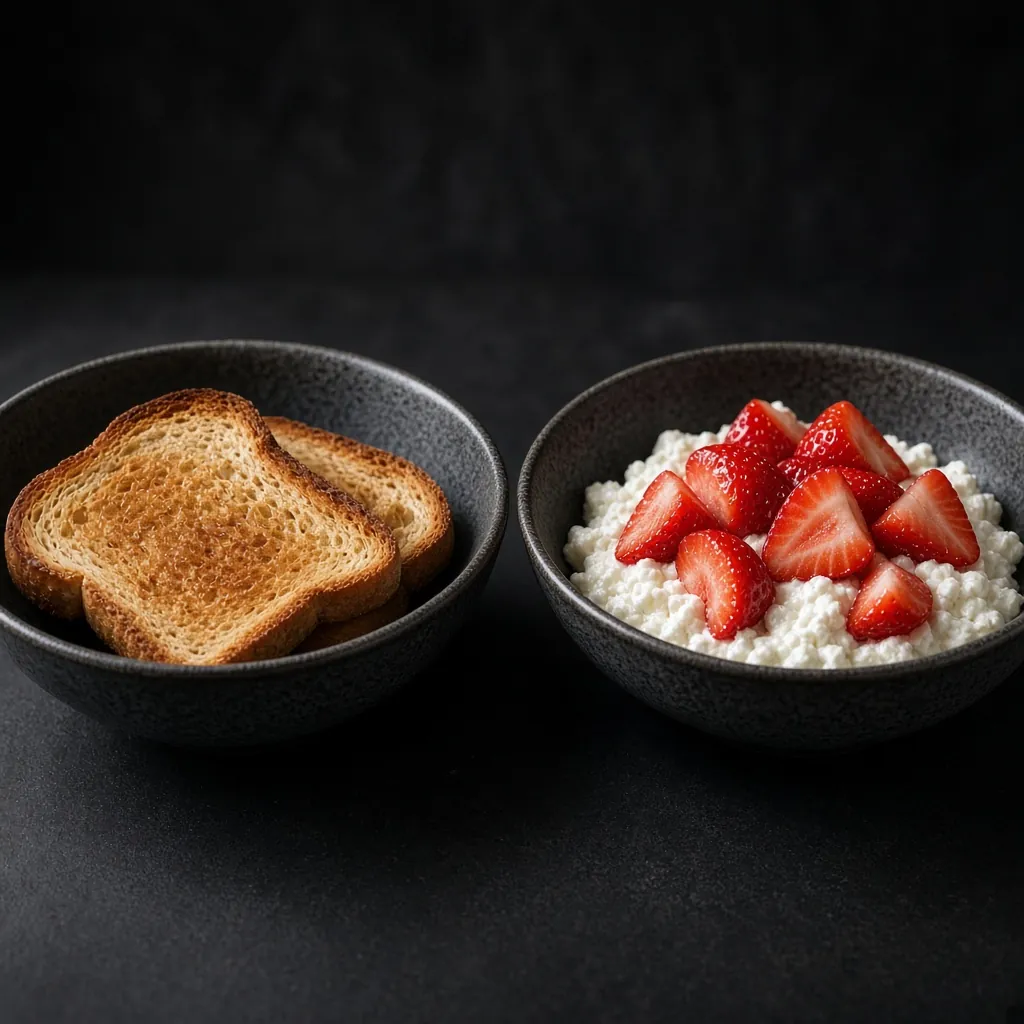
Same-slot food swaps, with USDA-sourced calories and protein for both sides, so you can raise protein without inventing a new diet.
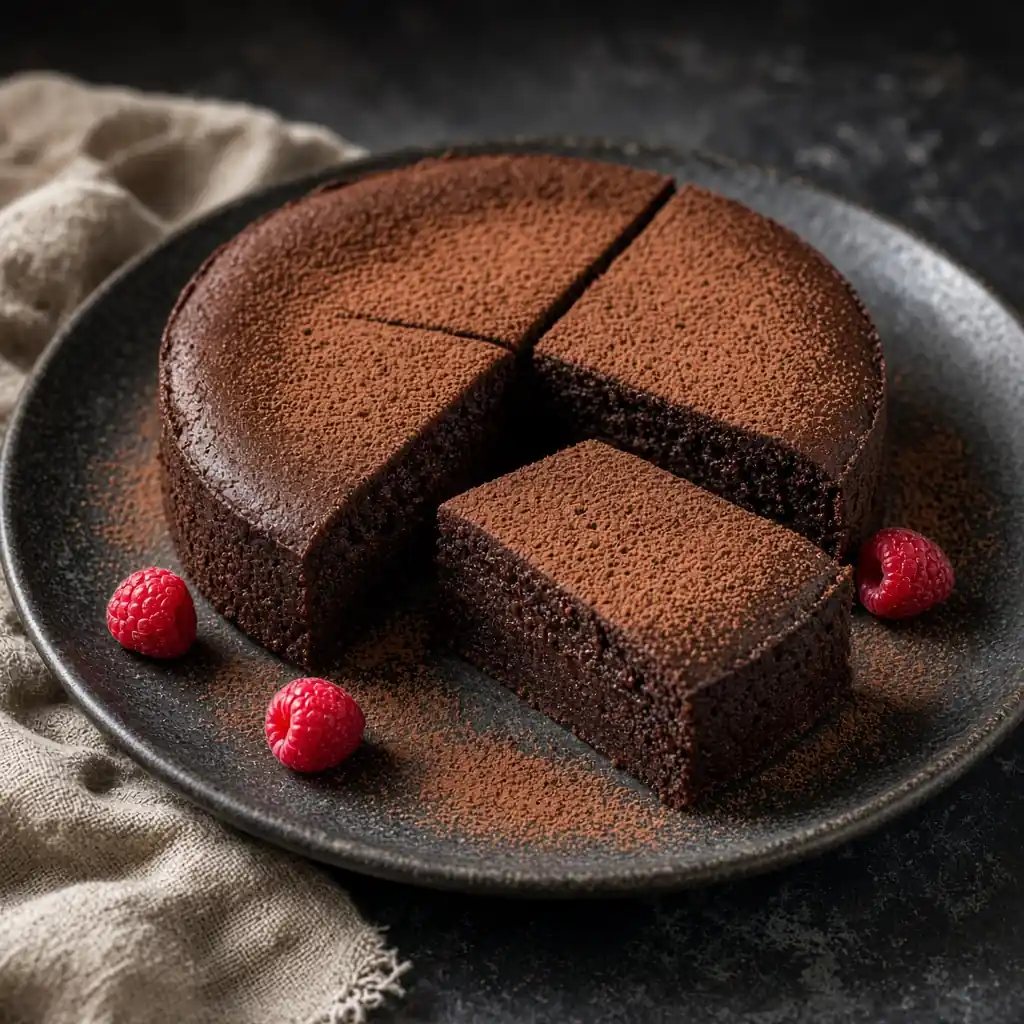
A dessert-focused list of gluten-free ideas, with USDA-sourced nutrition for the building-block ingredients so you can log a stated portion.
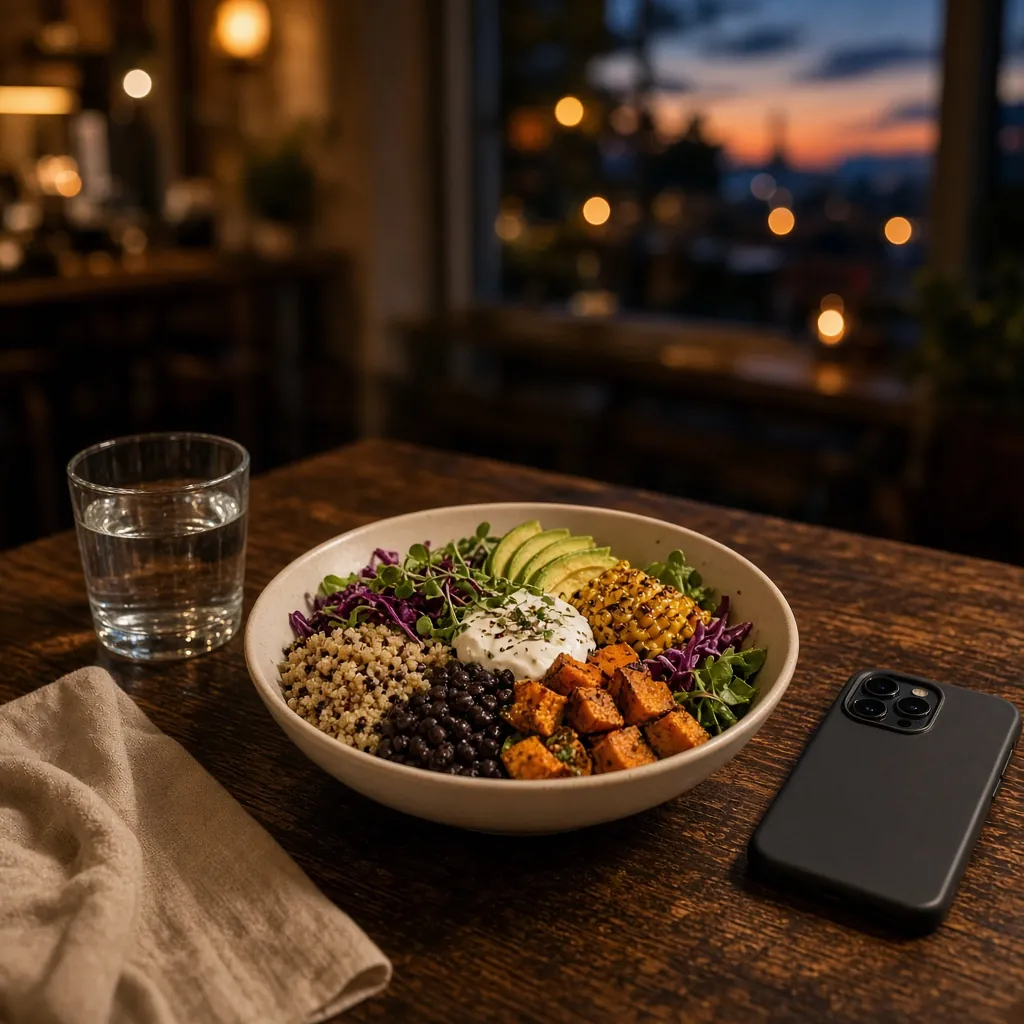
A practical routine for logging meals you did not cook: photograph the plate when it arrives, add the oils and sauces you cannot see, and use a menu when one exists.