🧑🍳RecipesHow to Cook From What's in Your Pantry
A pantry cook starts with what is already in the kitchen, then turns that short list into a meal you can cook and log.
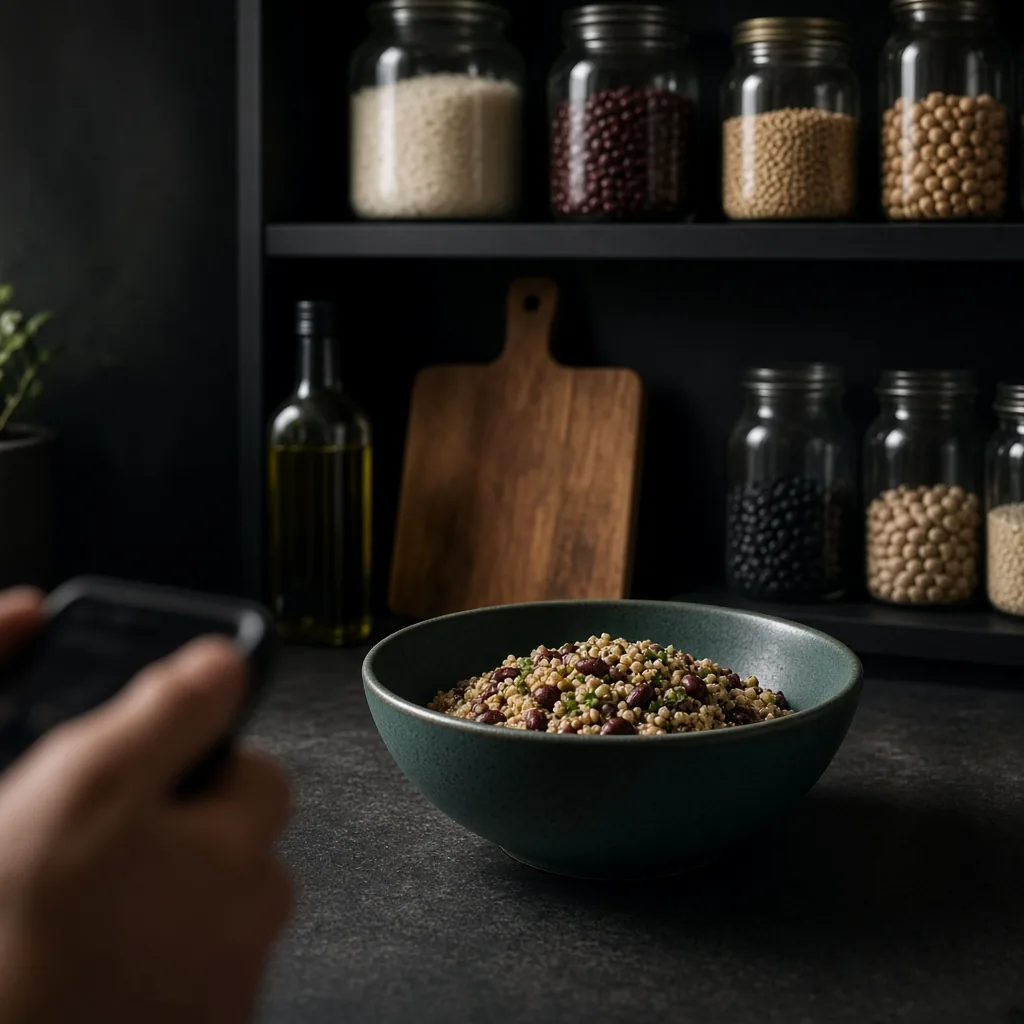
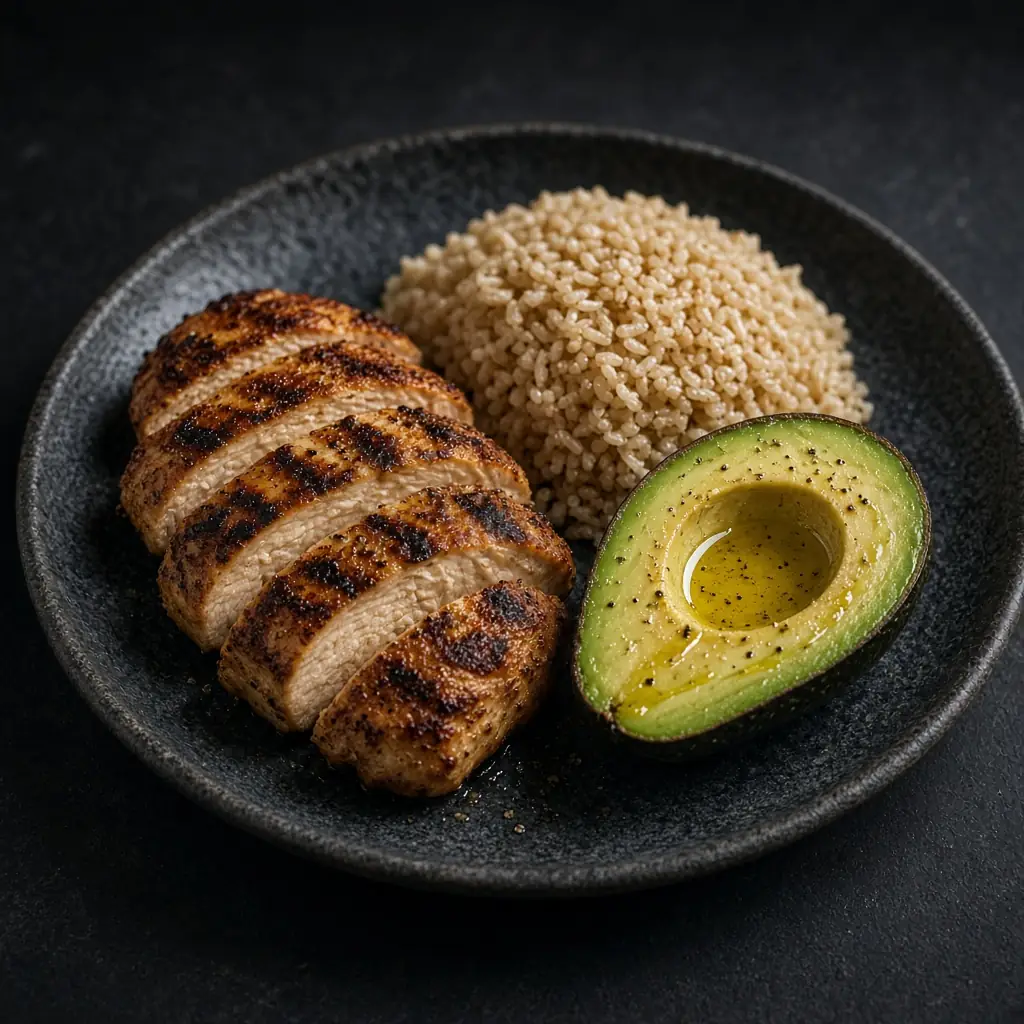
A pantry cook starts with what is already in the kitchen, then turns that short list into a meal you can cook and log. The plates below use ordinary foods and official USDA portions so you can log what you serve. In ChefGPT, you can start from ingredients you already have and then log the meal you cook. It pairs with ten high-protein meals with USDA data, and how to track macros.
Start with a short, honest inventory
Write down what you can see and what you are willing to cook. Open packages count, as do cooked grains and beans from earlier in the week. A short list of eight items is more useful than a perfect catalogue, because a recipe draft can only work with foods you will actually use.
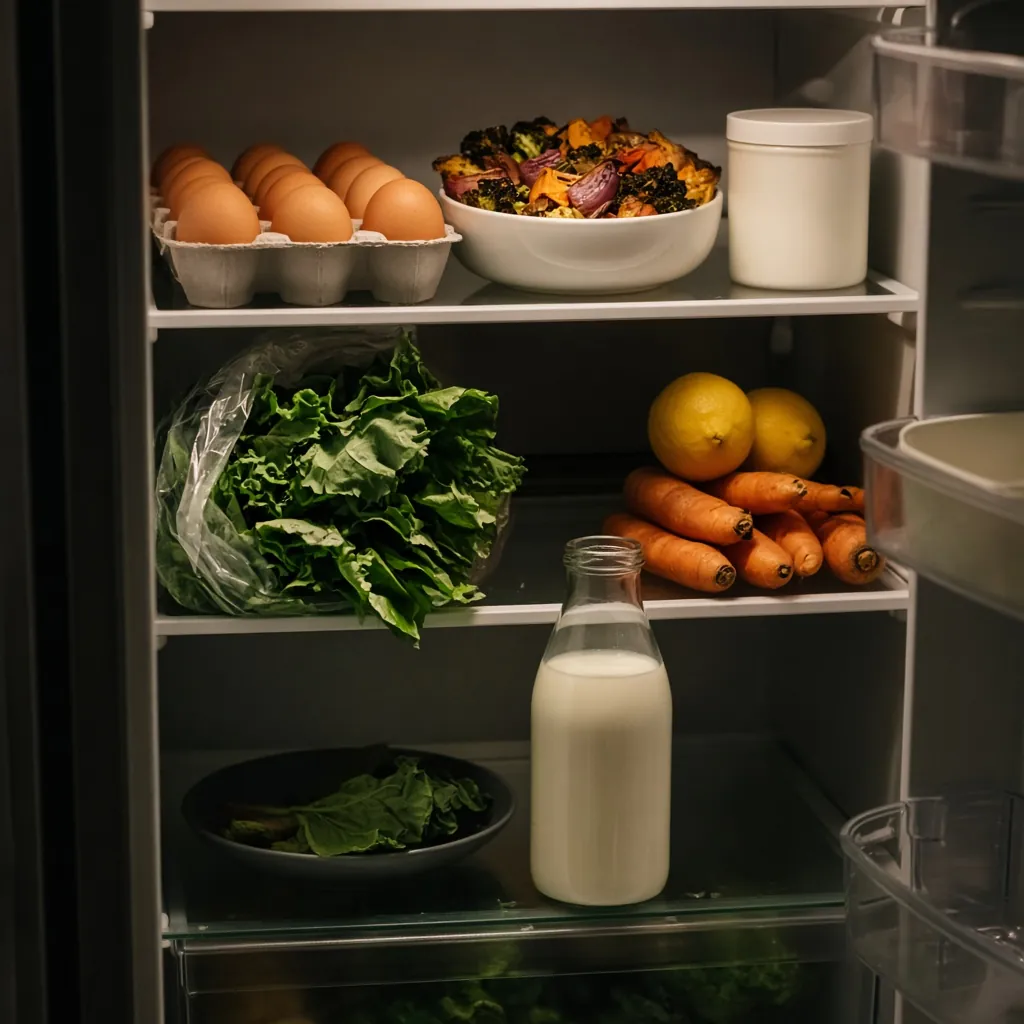
Group the list roughly by how soon each item should be eaten. Cooked leftovers and opened dairy belong near the top. Dry rice, pasta, canned beans, and oil can wait. If you photograph a shelf or a counter, review the detected items and add anything the picture missed, such as spices or a bottle at the back.
Add the constraints that actually matter
Constraints are the details that make a draft usable: how many people you are feeding, how much time you have, which allergens you avoid, and whether you want the meal to include a specific protein or more vegetables. State them plainly. A request for a pasta dinner that uses the chickpeas and spinach already on the counter is clearer than a request for something vaguely better.
Healthier, in this kitchen sense, can mean more vegetables, a protein you already have, or less added fat. It is not a medical claim and it is not a promise about weight. After you cook, log the dish you made — including the oil — so the log matches the pan, not the wish.
Treat the first recipe as a draft
Treat the first recipe as a draft. Check that the quantities look like food you can hold in your hands, that the servings match how you actually plate the dish, and that the method names doneness you can test (a simmer, a browned edge, an internal temperature for meat or leftovers). If a step seems impossible with the tools you have, change it before you start.
Food safety still sits with you. The USDA FSIS leftover guidance is a better reference for storage and reheating than any generated paragraph. After you cook, log the real dish, including oils and extras that never appeared in the draft text.
Cook, then log the meal you made
This step is easier when you keep it small enough to repeat. A pantry cook starts with what is already in the kitchen, then turns that short list into a meal you can cook and log. Write down what you will actually do in the kitchen, then give each food a stated portion so the log has something solid to hold.
Use USDA FoodData Central or a packaged label when a number is needed, and use a photo or a saved recipe for mixed plates. Official sources such as MyPlate and the Dietary Guidelines are the right place for population-level figures; they are not personal medical advice.
After you cook or serve the meal, save the entry so later days can reuse it. The useful habit is not perfection. It is a log you can read back at the end of an ordinary week.
Save the ones you want to cook again
These tools draft, organize, or remember — they do not cook and they do not log for you. Give them context from your kitchen, then edit what comes back. A recipe builder or a saved favorite is most useful the second time you cook the dish, when the ingredients and the yield are already written down.
After you cook, log the plate you made. In ChefGPT, you can start from ingredients you already have and then log the meal you cook. If you change the recipe next time, edit the saved version so the next portion stays honest.
When the pantry is almost empty
Write down what you can see and what you are willing to cook. Open packages count, as do cooked grains and beans from earlier in the week. A short list of eight items is more useful than a perfect catalogue, because a recipe draft can only work with foods you will actually use.
Group the list roughly by how soon each item should be eaten. Cooked leftovers and opened dairy belong near the top. Dry rice, pasta, canned beans, and oil can wait. If you photograph a shelf or a counter, review the detected items and add anything the picture missed, such as spices or a bottle at the back.
Used this way, how to Cook From What's in Your Pantry becomes part of an ordinary logging habit rather than a one-off project. Related reading: how to use an AI recipe generator, and how to turn leftover ingredients into new meals.
Putting this into an ordinary week
This step is easier when you keep it small enough to repeat. A pantry cook starts with what is already in the kitchen, then turns that short list into a meal you can cook and log. Write down what you will actually do in the kitchen, then give each food a stated portion so the log has something solid to hold.
Use USDA FoodData Central or a packaged label when a number is needed, and use a photo or a saved recipe for mixed plates. Official sources such as MyPlate and the Dietary Guidelines are the right place for population-level figures; they are not personal medical advice.
After you cook or serve the meal, save the entry so later days can reuse it. The useful habit is not perfection. It is a log you can read back at the end of an ordinary week.
Official numbers in this post come from USDA FoodData Central, the Dietary Guidelines, or MyPlate. They describe foods and published ranges, not a personal medical plan.
Download ChefGPT
ChefGPT is an AI calorie tracker for iPhone and Android. Snap a photo of your food to log it, review the calorie and macro breakdown, and keep those meals next to your recipes and meal plans.