🧑🍳RecipesHow to Use a Meal Generator for a Week of Dinners
A meal generator is most useful when you give it your real week, then edit the grid before you shop.
A meal generator is most useful when you give it your real week, then edit the grid before you shop. A plan works when it matches the week you actually have, then gets logged as you cook. In ChefGPT, you can start from ingredients you already have and then log the meal you cook. It pairs with how to build a weekly meal plan around calories and macros, and how to set nutrition goals.
What a meal generator can and cannot do
These tools draft, organize, or remember — they do not cook and they do not log for you. Give them context from your kitchen, then edit what comes back. A recipe builder or a saved favorite is most useful the second time you cook the dish, when the ingredients and the yield are already written down.
After you cook, log the plate you made. In ChefGPT, you can start from ingredients you already have and then log the meal you cook. If you change the recipe next time, edit the saved version so the next portion stays honest.
Tell it about the week you actually have
Start with the calendar you have, not an ideal week. Mark busy nights, meals you will eat away from home, and the days you can cook something that produces leftovers. A plan that ignores those constraints usually collapses by Wednesday.
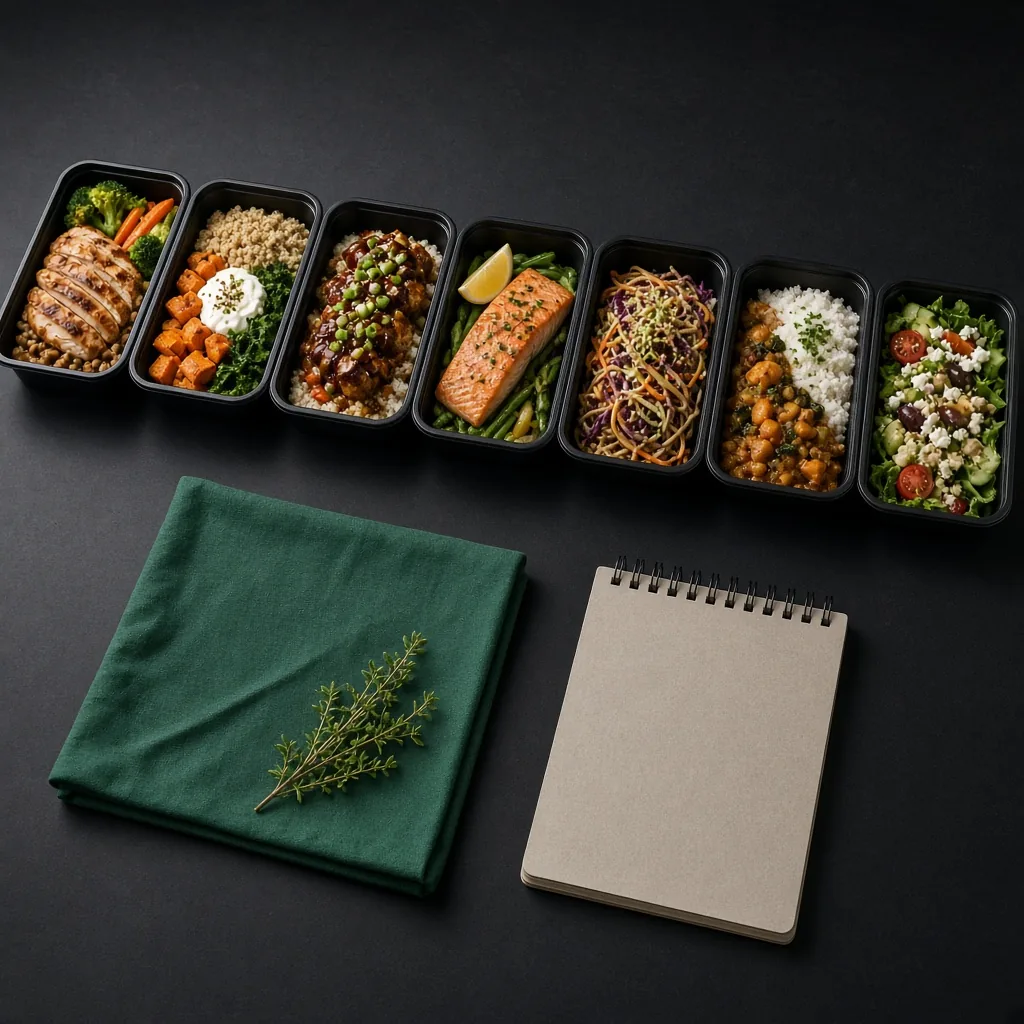
Repeat two breakfasts and one or two lunches. Spend the planning effort on dinners and on the leftover meals those dinners will create. Then build one grocery list from the finished grid, after checking what is already in the kitchen. Log as you go so a changed portion does not require throwing the whole plan out.
Repeat breakfasts and lunches on purpose
This step is easier when you keep it small enough to repeat. A meal generator is most useful when you give it your real week, then edit the grid before you shop. Write down what you will actually do in the kitchen, then give each food a stated portion so the log has something solid to hold.
Use USDA FoodData Central or a packaged label when a number is needed, and use a photo or a saved recipe for mixed plates. Official sources such as MyPlate and the Dietary Guidelines are the right place for population-level figures; they are not personal medical advice.
After you cook or serve the meal, save the entry so later days can reuse it. The useful habit is not perfection. It is a log you can read back at the end of an ordinary week.
Edit dinners so leftovers do useful work
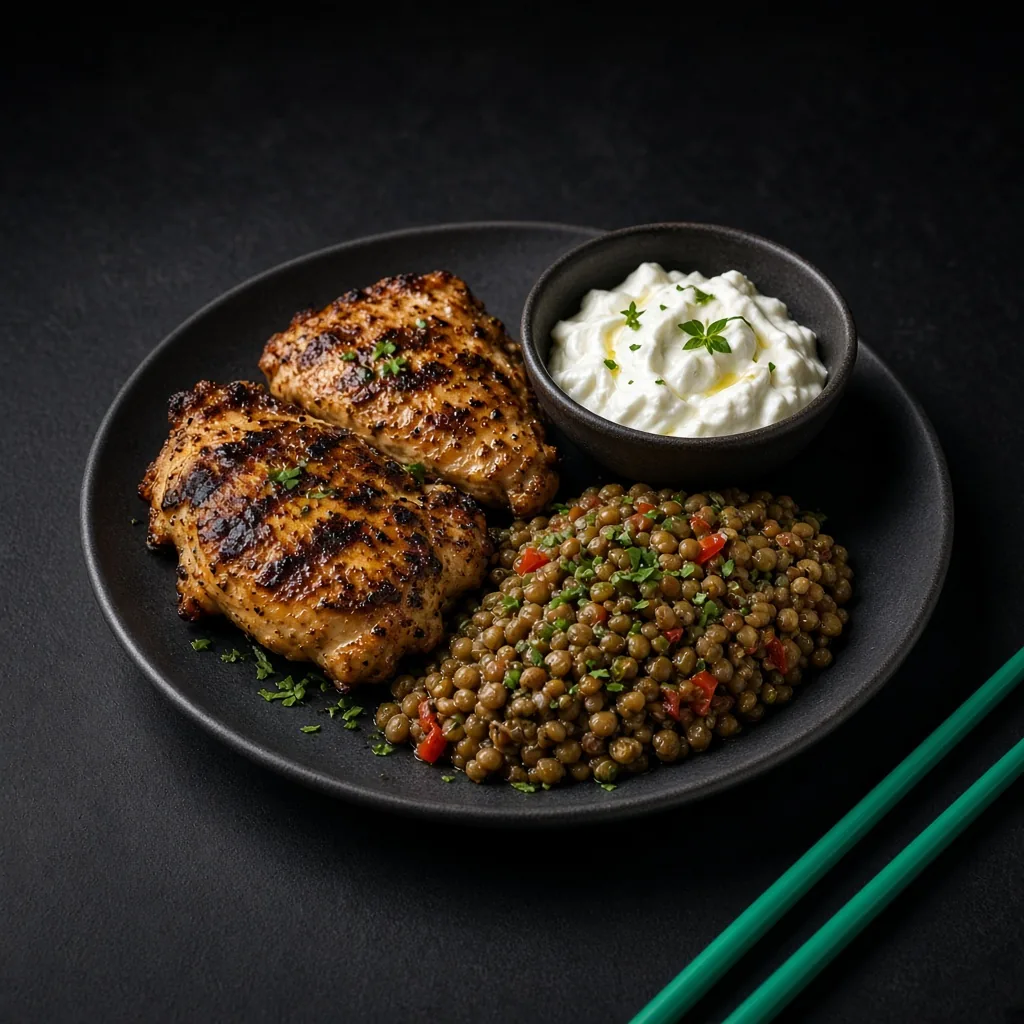
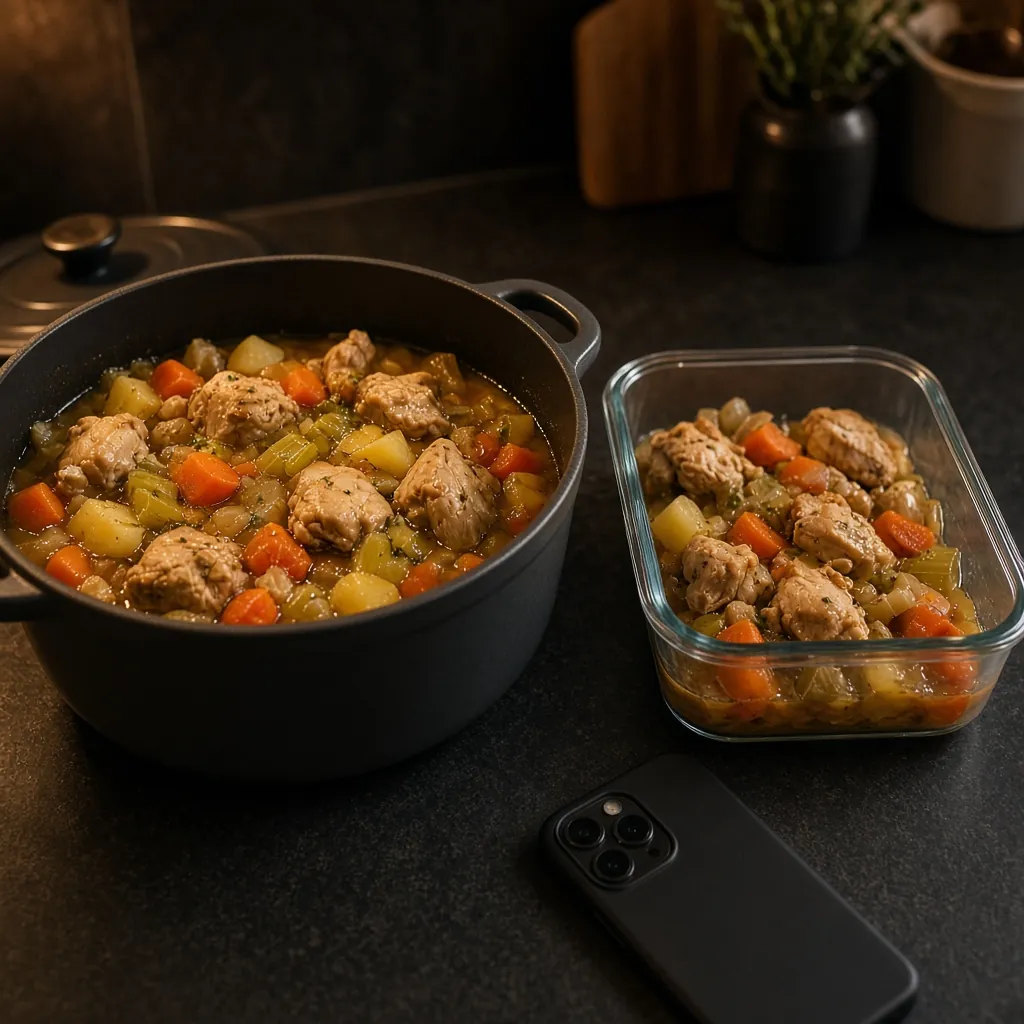
Cook once with later portions in mind. A larger pot of lentils or a tray of roasted chicken can cover a dinner and two lunches if you portion it while the food is still out. Log the recipe once with every ingredient that went into the pan, including oil, then log each serving from that saved recipe.
The USDA FSIS leftover guidance recommends refrigerating perishable leftovers within two hours (one hour if the food has been in a hot environment) and reheating leftovers to 165°F (73.9°C). A later portion is the same recipe, not a new mystery dish — unless you added extras, which you should log separately.
Build one grocery list from the finished grid
Finish the meal grid before you write the list. Then walk the pantry, refrigerator, and any chilled storage you use, and subtract what you already have. Group the remaining items the way you shop — produce, dairy, dry goods, and the oils or sauces you will need for the recipes you planned.
Buy amounts that match the servings you wrote down. If two recipes both use canned chickpeas or a bunch of carrots, add those amounts together so you do not make a second trip. Logging is faster during the week when the food you planned is actually in the kitchen.
Log the week instead of starting over on Monday
Drinks are easy to leave out of a photograph of a plate. Plain black coffee or unsweetened tea adds little energy, but milk, sugar, juice, and blended cafe drinks belong in the same daily log as meals. Log them from a label or from USDA entries, not from the rim of a mug in the background of a photo. See the FDA label guide when the drink comes in a bottle or carton.
One cup of 1% milk is 244 grams in FDC 170872 and comes to 102 kcal, 8.2 g protein, 2.4 g fat, and 12.2 g carbohydrate. If that cup went into coffee, it still belongs in the log.
Used this way, how to Use a Meal Generator for a Week of Dinners becomes part of an ordinary logging habit rather than a one-off project. Related reading: healthy one-pan dinners for busy weeknights, and how to turn leftover ingredients into new meals.
Putting this into an ordinary week
This step is easier when you keep it small enough to repeat. A meal generator is most useful when you give it your real week, then edit the grid before you shop. Write down what you will actually do in the kitchen, then give each food a stated portion so the log has something solid to hold.
Use USDA FoodData Central or a packaged label when a number is needed, and use a photo or a saved recipe for mixed plates. Official sources such as MyPlate and the Dietary Guidelines are the right place for population-level figures; they are not personal medical advice.
After you cook or serve the meal, save the entry so later days can reuse it. The useful habit is not perfection. It is a log you can read back at the end of an ordinary week.
Official numbers in this post come from USDA FoodData Central, the Dietary Guidelines, or MyPlate. They describe foods and published ranges, not a personal medical plan.
Download ChefGPT
ChefGPT is an AI calorie tracker for iPhone and Android. Snap a photo of your food to log it, review the calorie and macro breakdown, and keep a week of meals in one place.