🧑🍳RecipesHow to Track Protein Intake Across the Day
Protein is easier to track when you count it at each meal and then look at the day total, not at one dramatic plate.
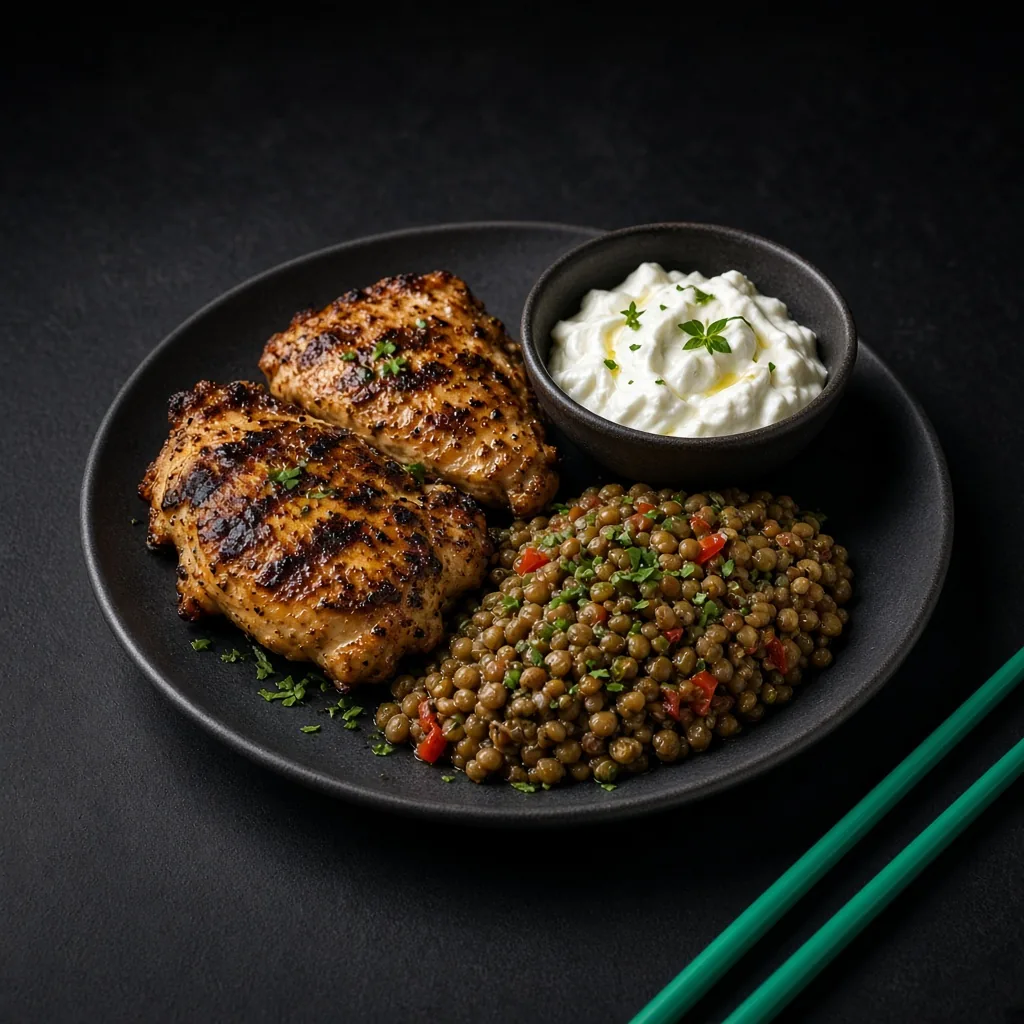
Protein is easier to track when you count it at each meal and then look at the day total, not at one dramatic plate. Protein, carbohydrate, and fat are easier to understand when they come from stated portions. In ChefGPT, you snap a photo of your food to log it and then review the calorie and macro breakdown before it is added to your day. It pairs with what macros are and how to track them, and how to set nutrition goals.
What you are adding up
This step is easier when you keep it small enough to repeat. Protein is easier to track when you count it at each meal and then look at the day total, not at one dramatic plate. Write down what you will actually do in the kitchen, then give each food a stated portion so the log has something solid to hold.
Use USDA FoodData Central or a packaged label when a number is needed, and use a photo or a saved recipe for mixed plates. Official sources such as MyPlate and the Dietary Guidelines are the right place for population-level figures; they are not personal medical advice.
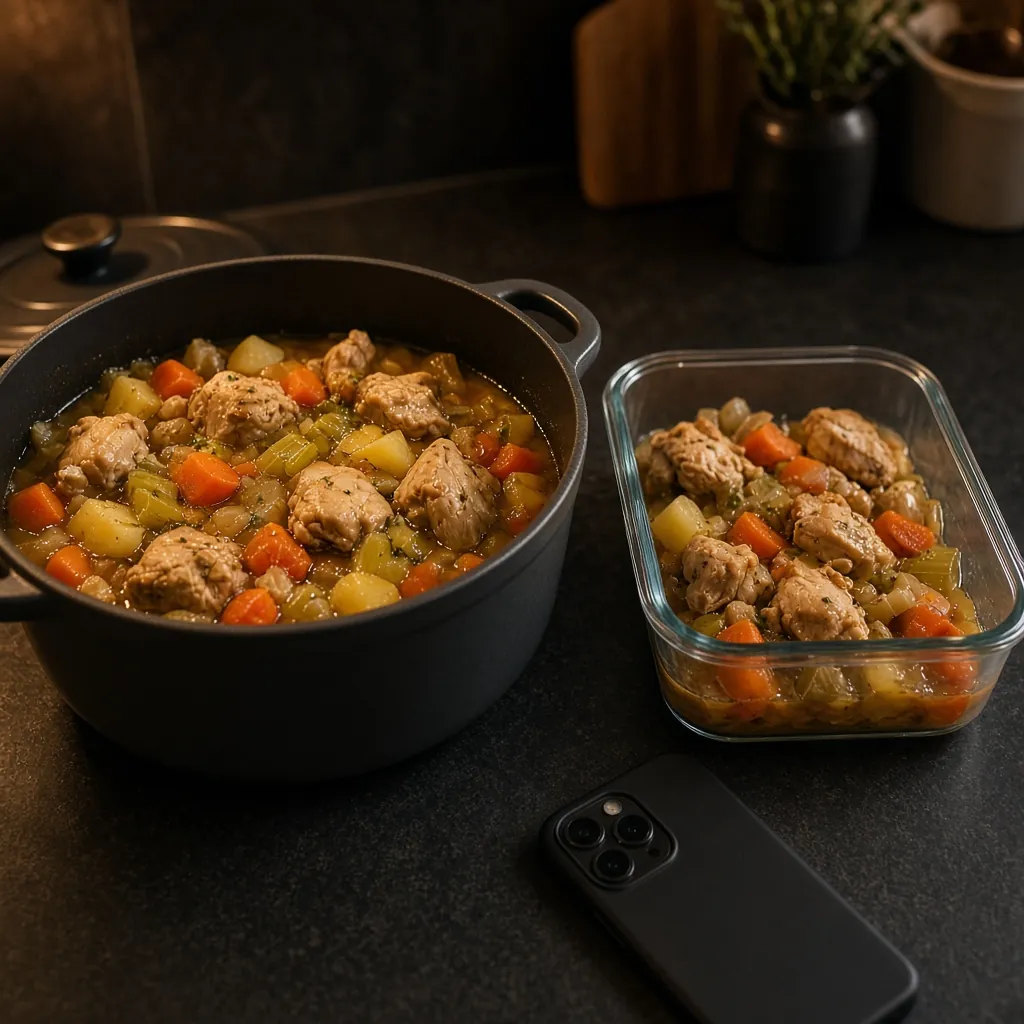
After you cook or serve the meal, save the entry so later days can reuse it. The useful habit is not perfection. It is a log you can read back at the end of an ordinary week.
Start with foods that are naturally higher in protein
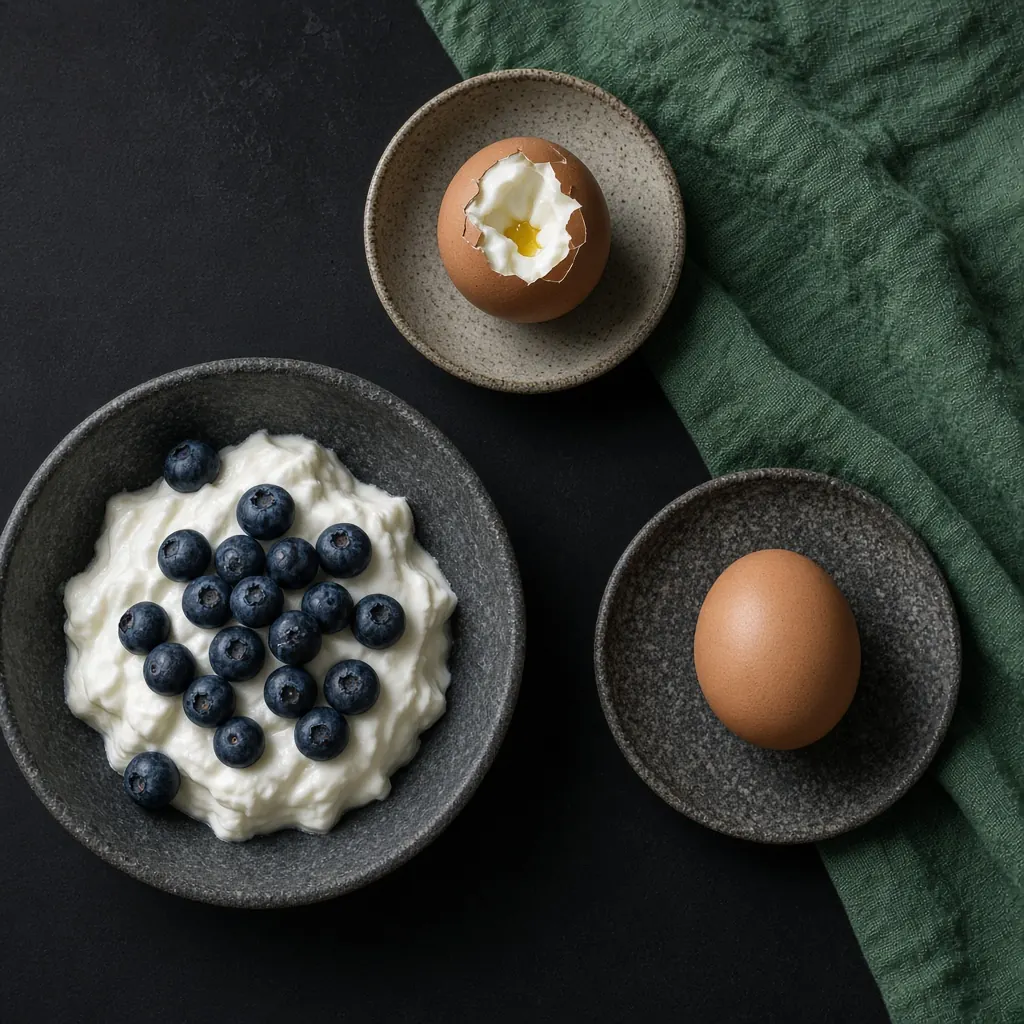
Protein in a log comes from specific foods: meat, poultry, fish, eggs, yogurt, cottage cheese, tofu, tempeh, beans, lentils, and, in smaller amounts, grains and vegetables. The useful habit is to give each of those foods a stated portion, then look at the day total.
Half a roasted chicken breast, meat only (86 grams) in FDC 171477 provides 142 kcal and 26.7 g protein. A 170-gram official portion of plain nonfat Greek yogurt in FDC 330137 provides 104 kcal and 17.5 g protein. Spreading foods like these across breakfast, lunch, and dinner is often easier than trying to eat most of the day's protein at night.
Use the label or a stated portion
The U.S. Food and Drug Administration explains how to read a Nutrition Facts label: start with the serving size, then the calories, then the nutrients. If you eat two servings, you are eating twice the calories and twice the listed amounts of protein, carbohydrate, and fat.
Daily Value percentages are a reference for a typical 2,000-calorie pattern, not a personal target. The FDA notes that 5% Daily Value or less is considered low for a nutrient and 20% or more is considered high. For a log, the gram amounts and the calories are what you enter. If the packaged item sits next to homemade food, log the package from its label and the rest of the plate from a photo or a saved recipe.
Spread protein across the meals you already eat
Protein in a log comes from specific foods: meat, poultry, fish, eggs, yogurt, cottage cheese, tofu, tempeh, beans, lentils, and, in smaller amounts, grains and vegetables. The useful habit is to give each of those foods a stated portion, then look at the day total.
Half a roasted chicken breast, meat only (86 grams) in FDC 171477 provides 142 kcal and 26.7 g protein. A 170-gram official portion of plain nonfat Greek yogurt in FDC 330137 provides 104 kcal and 17.5 g protein. Spreading foods like these across breakfast, lunch, and dinner is often easier than trying to eat most of the day's protein at night.
A worked day using USDA portions
This step is easier when you keep it small enough to repeat. Protein is easier to track when you count it at each meal and then look at the day total, not at one dramatic plate. Write down what you will actually do in the kitchen, then give each food a stated portion so the log has something solid to hold.
Use USDA FoodData Central or a packaged label when a number is needed, and use a photo or a saved recipe for mixed plates. Official sources such as MyPlate and the Dietary Guidelines are the right place for population-level figures; they are not personal medical advice.
After you cook or serve the meal, save the entry so later days can reuse it. The useful habit is not perfection. It is a log you can read back at the end of an ordinary week.
You do not need to hit every gram
This step is easier when you keep it small enough to repeat. Protein is easier to track when you count it at each meal and then look at the day total, not at one dramatic plate. Write down what you will actually do in the kitchen, then give each food a stated portion so the log has something solid to hold.
Use USDA FoodData Central or a packaged label when a number is needed, and use a photo or a saved recipe for mixed plates. Official sources such as MyPlate and the Dietary Guidelines are the right place for population-level figures; they are not personal medical advice.
After you cook or serve the meal, save the entry so later days can reuse it. The useful habit is not perfection. It is a log you can read back at the end of an ordinary week.
Used this way, how to Track Protein Intake Across the Day becomes part of an ordinary logging habit rather than a one-off project. Related reading: ten high-protein meals with USDA data, and 10 high-protein breakfasts, with calories and macros from usda data.
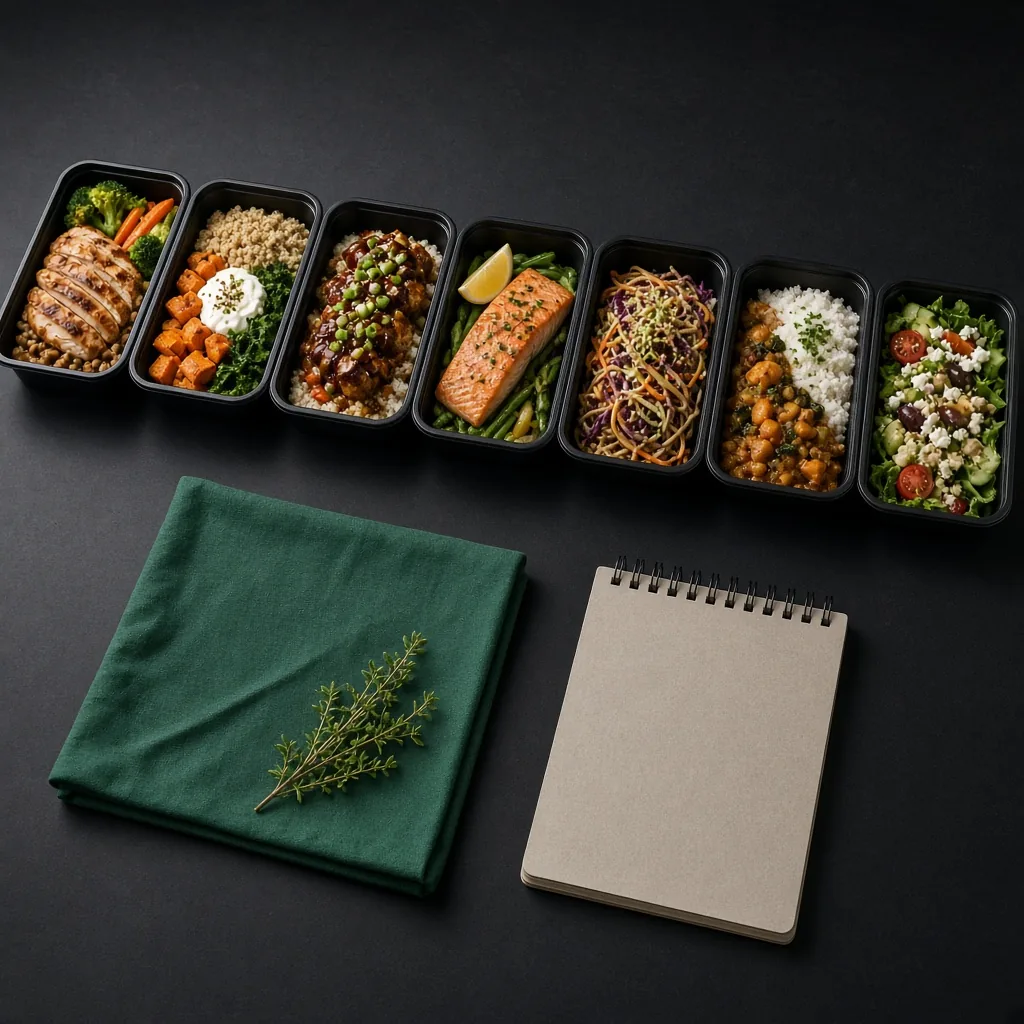
A day of protein tracking works better when breakfast, lunch, and dinner each carry a stated portion. If dinner is the only meal with a clear protein food, the day total often looks uneven even when the week as a whole is steady.
Download ChefGPT
ChefGPT is an AI calorie tracker for iPhone and Android. Snap a photo of your food to log it, review the calorie and macro breakdown, and keep those meals next to your recipes and meal plans.