🧑🍳RecipesHow to Combine a Photo Log With a Saved Recipe
A photo is a fast start. A saved recipe is a more complete record of a dish you cook often. Many days use both.
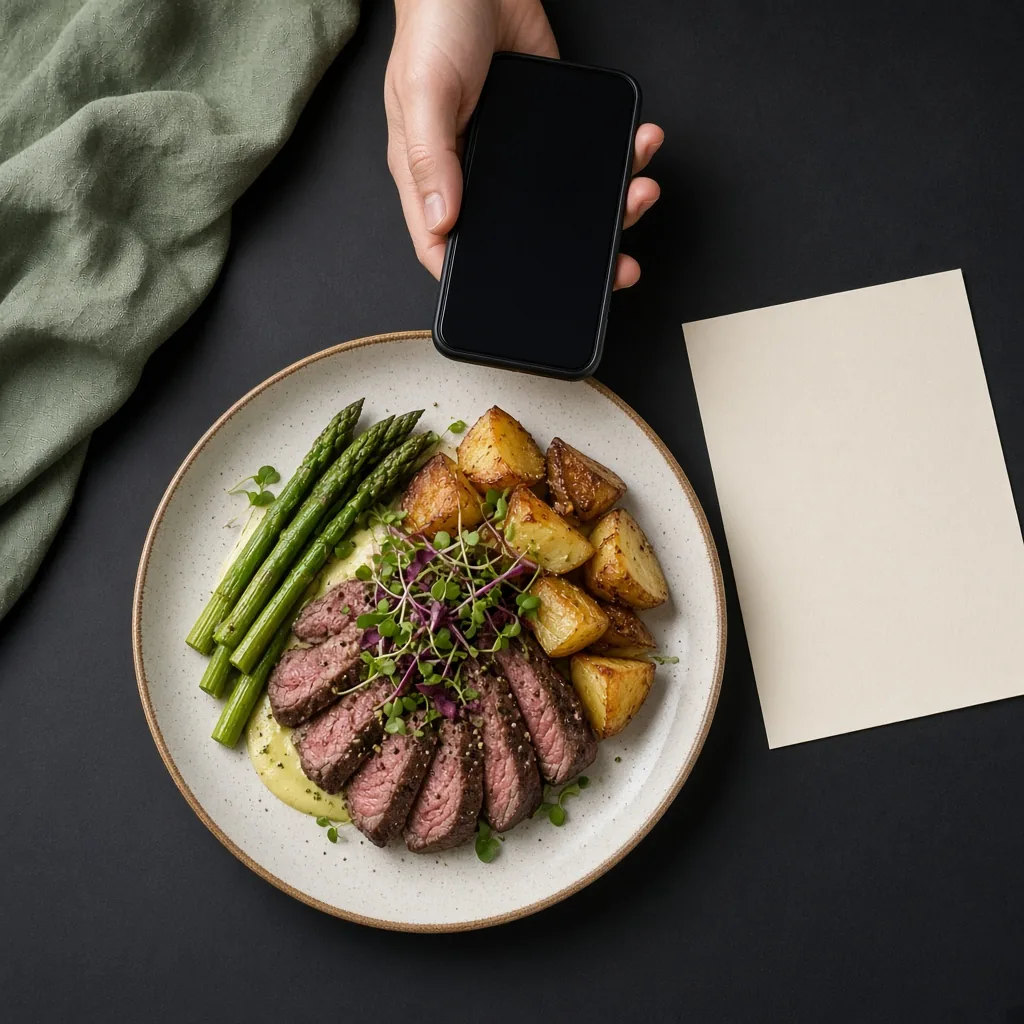
A photo is a fast start. A saved recipe is a more complete record of a dish you cook often. Many days use both. A useful log is a record you can review, not a laboratory report. In ChefGPT, you snap a photo of your food to log it and then review the calorie and macro breakdown before it is added to your day. It pairs with how to track calories from a photo, and how to log restaurant and takeout meals.
Use a recipe when you cooked a known batch
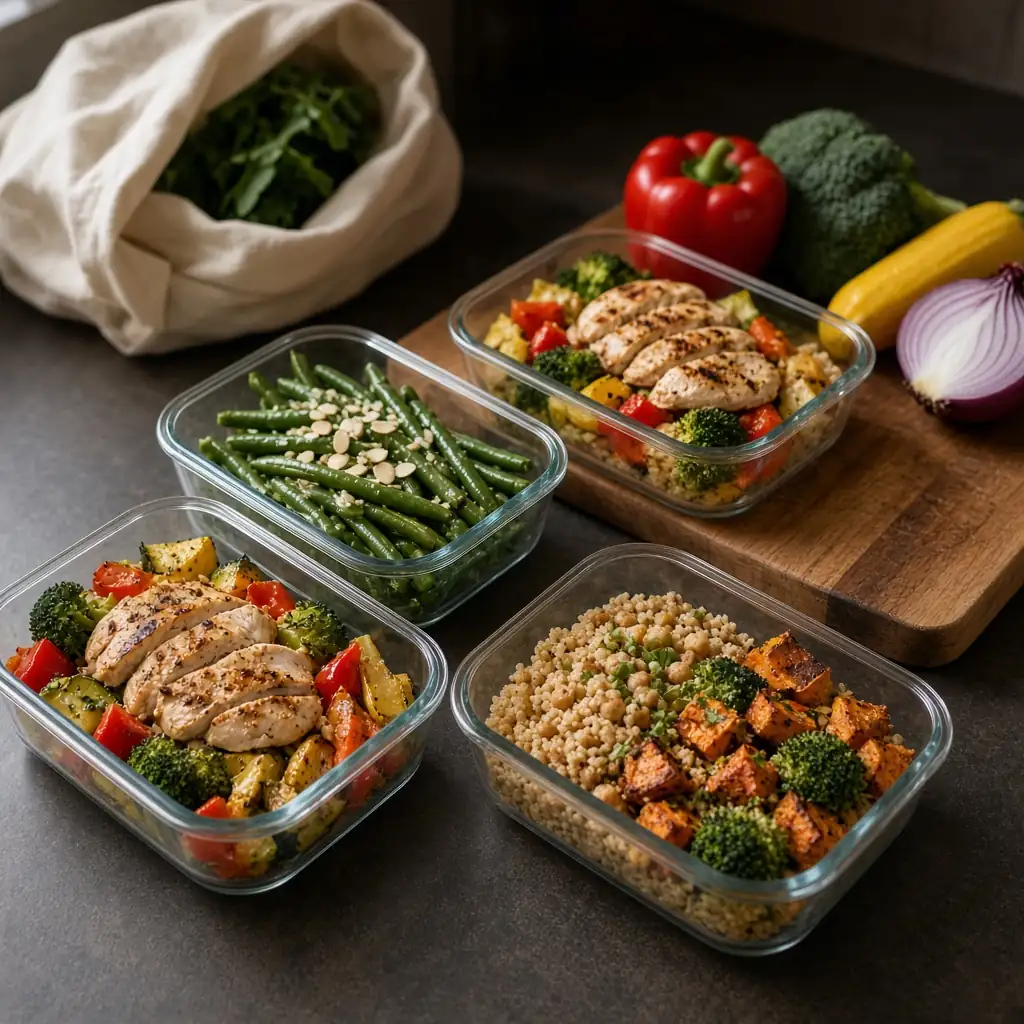
Cook once with later portions in mind. A larger pot of lentils or a tray of roasted chicken can cover a dinner and two lunches if you portion it while the food is still out. Log the recipe once with every ingredient that went into the pan, including oil, then log each serving from that saved recipe.
The USDA FSIS leftover guidance recommends refrigerating perishable leftovers within two hours (one hour if the food has been in a hot environment) and reheating leftovers to 165°F (73.9°C). A later portion is the same recipe, not a new mystery dish — unless you added extras, which you should log separately.
Use a photo when the plate is mixed or new
This step is easier when you keep it small enough to repeat. A photo is a fast start. A saved recipe is a more complete record of a dish you cook often. Many days use both. Write down what you will actually do in the kitchen, then give each food a stated portion so the log has something solid to hold.
Use USDA FoodData Central or a packaged label when a number is needed, and use a photo or a saved recipe for mixed plates. Official sources such as MyPlate and the Dietary Guidelines are the right place for population-level figures; they are not personal medical advice.
After you cook or serve the meal, save the entry so later days can reuse it. The useful habit is not perfection. It is a log you can read back at the end of an ordinary week.
Combining them on the same day
This step is easier when you keep it small enough to repeat. A photo is a fast start. A saved recipe is a more complete record of a dish you cook often. Many days use both. Write down what you will actually do in the kitchen, then give each food a stated portion so the log has something solid to hold.
Use USDA FoodData Central or a packaged label when a number is needed, and use a photo or a saved recipe for mixed plates. Official sources such as MyPlate and the Dietary Guidelines are the right place for population-level figures; they are not personal medical advice.
After you cook or serve the meal, save the entry so later days can reuse it. The useful habit is not perfection. It is a log you can read back at the end of an ordinary week.
When leftover portions should reuse the recipe
Cook once with later portions in mind. A larger pot of lentils or a tray of roasted chicken can cover a dinner and two lunches if you portion it while the food is still out. Log the recipe once with every ingredient that went into the pan, including oil, then log each serving from that saved recipe.
The USDA FSIS leftover guidance recommends refrigerating perishable leftovers within two hours (one hour if the food has been in a hot environment) and reheating leftovers to 165°F (73.9°C). A later portion is the same recipe, not a new mystery dish — unless you added extras, which you should log separately.
When a photo of leftovers is still helpful
Cook once with later portions in mind. A larger pot of lentils or a tray of roasted chicken can cover a dinner and two lunches if you portion it while the food is still out. Log the recipe once with every ingredient that went into the pan, including oil, then log each serving from that saved recipe.
The USDA FSIS leftover guidance recommends refrigerating perishable leftovers within two hours (one hour if the food has been in a hot environment) and reheating leftovers to 165°F (73.9°C). A later portion is the same recipe, not a new mystery dish — unless you added extras, which you should log separately.
Building a library over time
This step is easier when you keep it small enough to repeat. A photo is a fast start. A saved recipe is a more complete record of a dish you cook often. Many days use both. Write down what you will actually do in the kitchen, then give each food a stated portion so the log has something solid to hold.
Use USDA FoodData Central or a packaged label when a number is needed, and use a photo or a saved recipe for mixed plates. Official sources such as MyPlate and the Dietary Guidelines are the right place for population-level figures; they are not personal medical advice.
After you cook or serve the meal, save the entry so later days can reuse it. The useful habit is not perfection. It is a log you can read back at the end of an ordinary week.
Used this way, how to Combine a Photo Log With a Saved Recipe becomes part of an ordinary logging habit rather than a one-off project. Related reading: how to log homemade recipes and leftovers, and how to log oils, sauces, and dressings.
Putting this into an ordinary week
This step is easier when you keep it small enough to repeat. A photo is a fast start. A saved recipe is a more complete record of a dish you cook often. Many days use both. Write down what you will actually do in the kitchen, then give each food a stated portion so the log has something solid to hold.
Use USDA FoodData Central or a packaged label when a number is needed, and use a photo or a saved recipe for mixed plates. Official sources such as MyPlate and the Dietary Guidelines are the right place for population-level figures; they are not personal medical advice.
After you cook or serve the meal, save the entry so later days can reuse it. The useful habit is not perfection. It is a log you can read back at the end of an ordinary week.
Official numbers in this post come from USDA FoodData Central, the Dietary Guidelines, or MyPlate. They describe foods and published ranges, not a personal medical plan.
Download ChefGPT
ChefGPT is an AI calorie tracker for iPhone and Android. Snap a photo of your food to log it, review the calorie and macro breakdown, and keep a week of meals in one place.